Home›Blog›Don’t Budget Blind: The Waterfront Property Maintenance Checklist to Run Before Year-End
Don’t Budget Blind: The Waterfront Property Maintenance Checklist to Run Before Year-End
November 2026 · Maintenance · 6 min read
Blog
Article Summary
Before next year’s property budget is set, the water’s edge deserves a careful look. This year-end checklist covers what to review along the seawall and surrounding ground, how to document changes, and how HOAs, condo boards, and property managers can bring waterfront assets into the capital plan.
Budgets get built around what you know. Along the water, the conditions that matter most can change quietly over a year: soil shifts, water collects in new places, and the ground near the seawall stops looking the way it used to.
Before you finalize next year’s property budget, take a walk around the water’s edge from a safe, stable area and note what has changed. A clear record now gives you better information when it is time to set priorities.
Why should a waterfront review come before next year’s budget?
A seawall and the ground behind it work as one system. When something changes in that system, the cost and timing of the response depend on how early it is noticed and how well it is documented.
Reviewing waterfront conditions at year-end lets you decide what belongs in next year’s plan instead of reacting to it later. It turns scattered observations into information you can actually budget around.
What should you look for along the seawall and the ground around it?
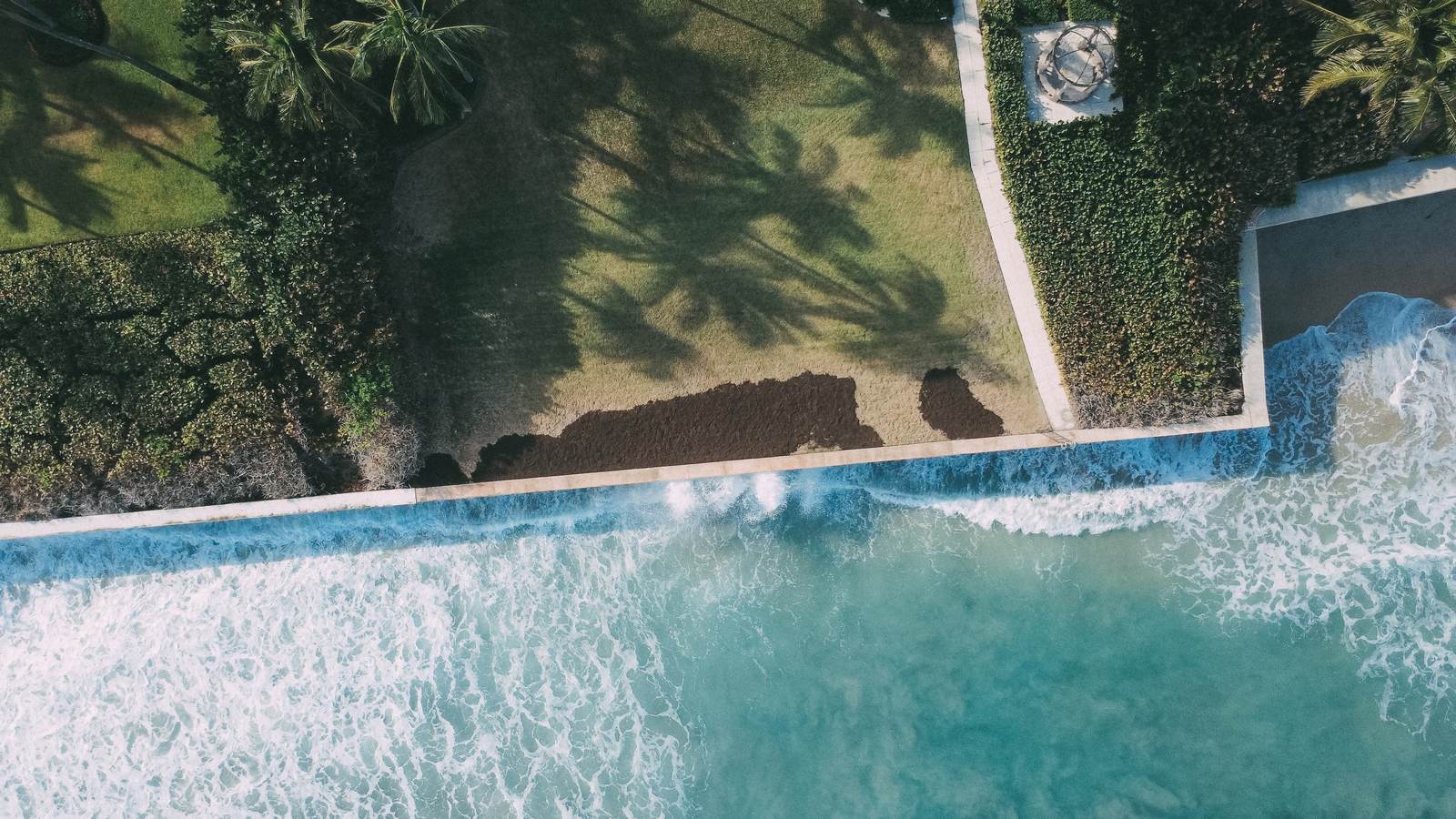
Start with the seawall and the ground beside it. You are looking for change compared with how the area looked before, not judging it against a new wall.
At the wall and surrounding ground
New cracks in the wall or cap
Low spots in the ground near the wall
Sinking pavers or settled hardscape
Gaps between the wall and the soil behind it
Areas where soil appears to be washing away
Around water flow and waterfront features
Water collecting in a different place than it used to
A change in how a dock or other waterfront feature meets the shoreline
Soil loss near a seawall is often the condition behind these surface changes. Our post on subsurface erosion behind seawalls explains how that loss can develop below the surface.
Does a single warning sign tell you what is happening below the surface?
No. A single sign does not tell you what is happening below the surface. A crack, a low spot, or a sinking paver can have more than one cause.
What it does tell you is that something has changed, and a change is worth documenting. Diagnosis belongs to a qualified professional who can evaluate the wall, the soil, and the site together.
How should you document changes along your shoreline?
Good documentation is simple and consistent. It gives a professional something to compare instead of a general impression.
Take photos from consistent locations each time
Write down when you first noticed each change
Note whether the change appears to be growing over time
That record helps a qualified professional compare conditions over time and decide whether the concern calls for monitoring, maintenance, or a closer inspection. Stay on stable ground while you document, and do not enter the water to look below the waterline.
“A single sign does not tell you what is happening below the surface, but a change is worth documenting. That record helps a professional decide whether it calls for monitoring, maintenance, or a closer inspection.”
How can HOAs and property managers bring waterfront assets into the capital plan?
For HOAs, condo boards, and commercial property managers, the year-end review is also a chance to put waterfront assets into the capital plan. Seawalls and shoreline structures belong in the same conversation as other long-term infrastructure.
Use the review to sort what you found:
What needs attention now
What should be assessed before decisions are made
What information the board needs before setting priorities
When the visible condition does not answer the question, an underwater inspection may be useful. A professional seawall inspection can be scoped to the questions the board needs answered.
Recommendations depend on the structure, the site conditions, and what is causing the issue. One repair is not right for every property, and the evaluation is what determines which path fits.
If you have noticed changes along your shoreline, document them and arrange a professional evaluation before next year’s budget is final.
Frequently Asked Questions
What should a waterfront property year-end checklist include?
Review the seawall and surrounding ground for new cracks, low spots, sinking pavers, gaps, and soil that appears to be washing away. Also note changes in where water collects and how docks or other waterfront features meet the shoreline.
Does a crack or sinking paver mean my seawall is failing?
Not necessarily. A single sign does not tell you what is happening below the surface. It does mean something changed, and that change is worth documenting and discussing with a qualified professional.
How should I document changes near my seawall?
Take photos from consistent locations, write down when you first noticed each change, and note whether it appears to be growing. Always stay on safe, stable ground while documenting.
Why should HOAs include seawalls in capital planning?
Seawalls are long-term waterfront assets. A year-end review helps boards identify what needs attention now, what should be assessed, and what information is needed before setting priorities.
When is an underwater inspection useful?
An underwater inspection may be useful when the visible condition from land does not answer the question. It can provide information about parts of the structure that cannot be seen from shore.
F
The Foam GuysSeawalls, marine construction & foam stabilization across South Florida. (954) 370-6161
Need Help With Your Property?
Free estimates for seawall repair, marine construction, foundation lifting, and foam stabilization.
We’re Only A Foam Call Away! Seawalls, marine construction, waterproofing, foundation lifting, and concrete leveling across South Florida — Miramar, Fort Lauderdale, Pompano Beach, and nearby communities. Licensed & insured. Hablamos Español.