Home›Blog›Plan It Before It’s an Emergency: Seawall Capital Planning for HOAs
Plan It Before It’s an Emergency: Seawall Capital Planning for HOAs
November 2026 · Maintenance · 5 min read
Blog
Article Summary
For waterfront HOAs, a seawall is shared infrastructure that affects residents, budgets, and long-term maintenance. This guide explains how boards and property managers can document current conditions, decide when an underwater inspection adds value, and separate immediate concerns from future budget items.
For a waterfront HOA, a seawall is more than a line along the property. It is shared infrastructure, and decisions about it affect residents, budgets, and long-term maintenance plans.
That makes seawall planning a board-level responsibility. The quality of those decisions depends on the quality of the information behind them.
Why is a seawall a shared-infrastructure decision for HOAs?
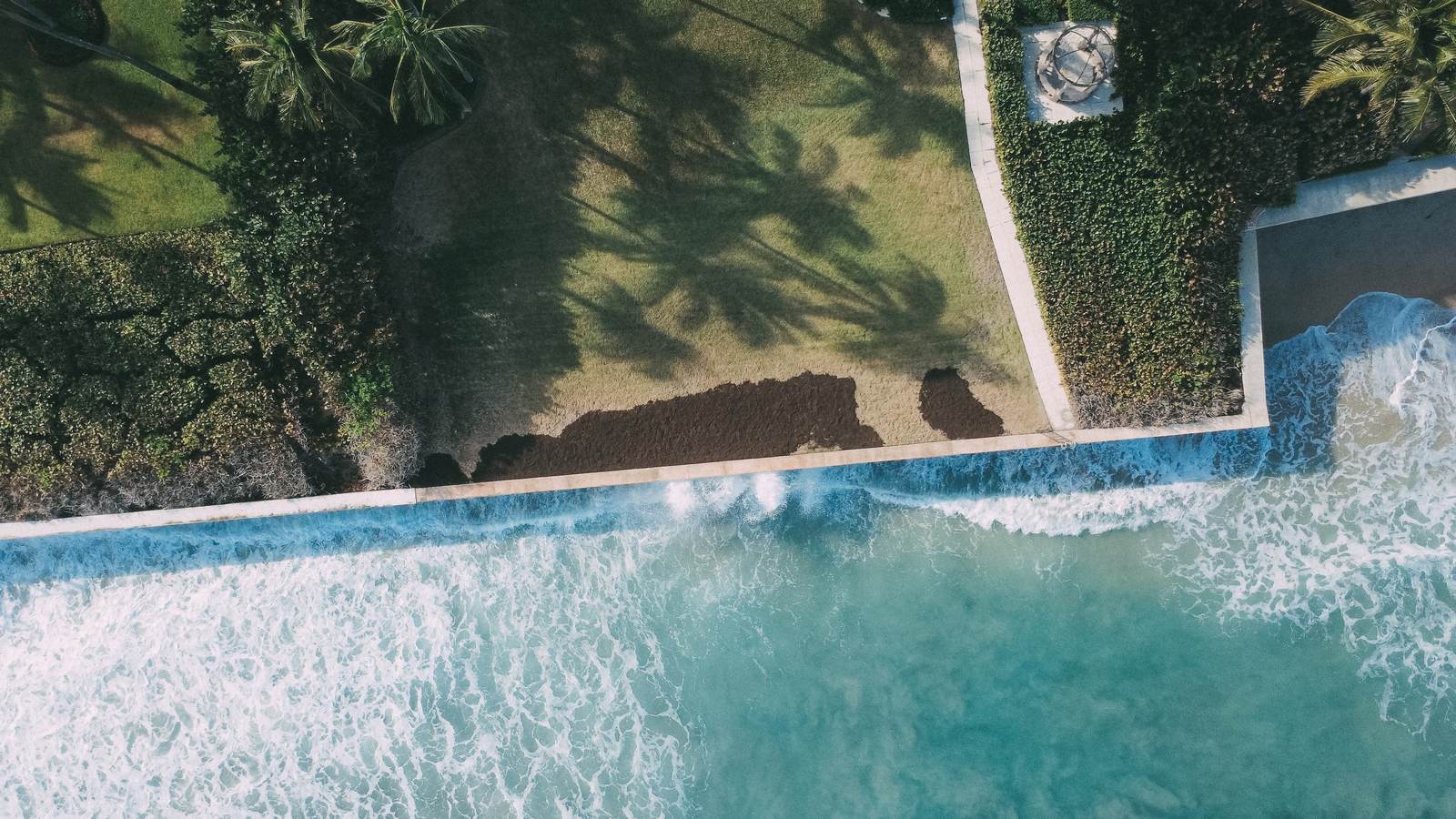
A seawall protects more than one owner’s yard. It supports common areas, adjacent structures, and the community’s waterfront as a whole.
Because the impact is shared, so is the responsibility. Boards need a clear, documented picture of the wall’s condition before they can weigh timing, cost, and priority against other community needs.
What should a seawall capital-planning conversation start with?
A useful capital-planning conversation begins with a clear picture of current conditions. Start with questions like these:
What has changed since the last review?
Are there cracks, settlement, or soil loss?
Are there drainage concerns near the wall?
Which areas need closer inspection?
Is the available documentation current enough for the board to compare priorities and discuss timing?
If the answer to the last question is no, updating the record is the first planning step. A professional seawall inspection can provide that baseline.
When does a board need more than a visual review?
A visual review can identify issues worth investigating. It is a practical starting point, but it is limited to what can be seen from land.
An underwater dive inspection may provide additional information about parts of the structure that cannot be assessed from shore. The inspection plan should fit the property and the questions the board needs answered.
Dive inspection: adds information about areas below the waterline
Condition documentation: gives the board a record to compare over time
“A seawall is shared infrastructure, and decisions about it affect residents, budgets, and long-term maintenance plans. Good documentation gives the community better information for deciding what to do next.”
How can boards separate immediate concerns from future budget items?
Once conditions are documented, boards and managers can sort the findings into clear categories:
Immediate concerns that need attention now
Items that need further assessment before a decision
Work that belongs in future budgeting
That process does not remove uncertainty or guarantee that repairs can be avoided. It gives the community better information for deciding what to do next, and it helps the board plan instead of react.
Our post on timely seawall repairs covers why addressing documented issues on schedule matters.
What services support HOA seawall planning?
The Foam Guys provides a range of services that support community planning:
The appropriate scope depends on the site and the condition of the wall. No two waterfront communities start from the same place.
Where should your community start?
If your community is reviewing its waterfront assets for next year, start with the questions you need answered. Those questions shape the right inspection, the right documentation, and the right plan.
Why should HOAs include seawalls in capital planning?
A seawall is shared infrastructure that affects residents, budgets, and long-term maintenance. Including it in capital planning helps boards weigh timing and priorities with current information.
What information does an HOA board need for seawall planning?
Boards need a clear picture of current conditions, including changes since the last review, cracks, settlement, soil loss, drainage concerns, and areas that need closer inspection. Documentation should be current enough to compare priorities.
Is a visual seawall inspection enough for an HOA?
A visual review can identify issues worth investigating, but it is limited to what can be seen from land. An underwater dive inspection may add information about parts of the structure below the waterline.
Does seawall planning guarantee repairs can be avoided?
No. Documentation and planning do not remove uncertainty or guarantee repairs can be avoided. They give the community better information for deciding what to do next.
How do boards prioritize seawall work?
Once conditions are documented, boards can separate immediate concerns from items that need further assessment and work that belongs in future budgeting.
F
The Foam GuysSeawalls, marine construction & foam stabilization across South Florida. (954) 370-6161
Need Help With Your Property?
Free estimates for seawall repair, marine construction, foundation lifting, and foam stabilization.
We’re Only A Foam Call Away! Seawalls, marine construction, waterproofing, foundation lifting, and concrete leveling across South Florida — Miramar, Fort Lauderdale, Pompano Beach, and nearby communities. Licensed & insured. Hablamos Español.